Machines vs. Free Weights: When Each One Actually Wins
Quick Answer: Free weights generally build more functional stability and coordination since they require balancing the load yourself; machines allow safer isolation, heavier loading near failure, and better options for beginners or those training around an injury. Neither is universally ‘better’ — the right tool depends on the specific goal.
Gym culture often treats machines as the beginner’s consolation prize and free weights as the ‘real’ training — but that framing misses several situations where a machine is genuinely the smarter choice, not just the easier one.
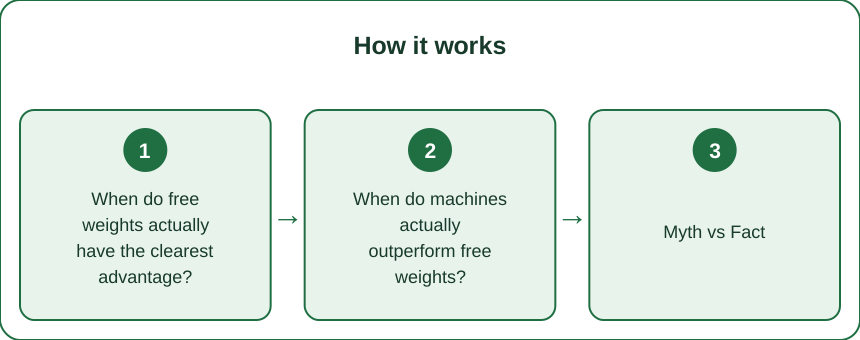
When do free weights actually have the clearest advantage?
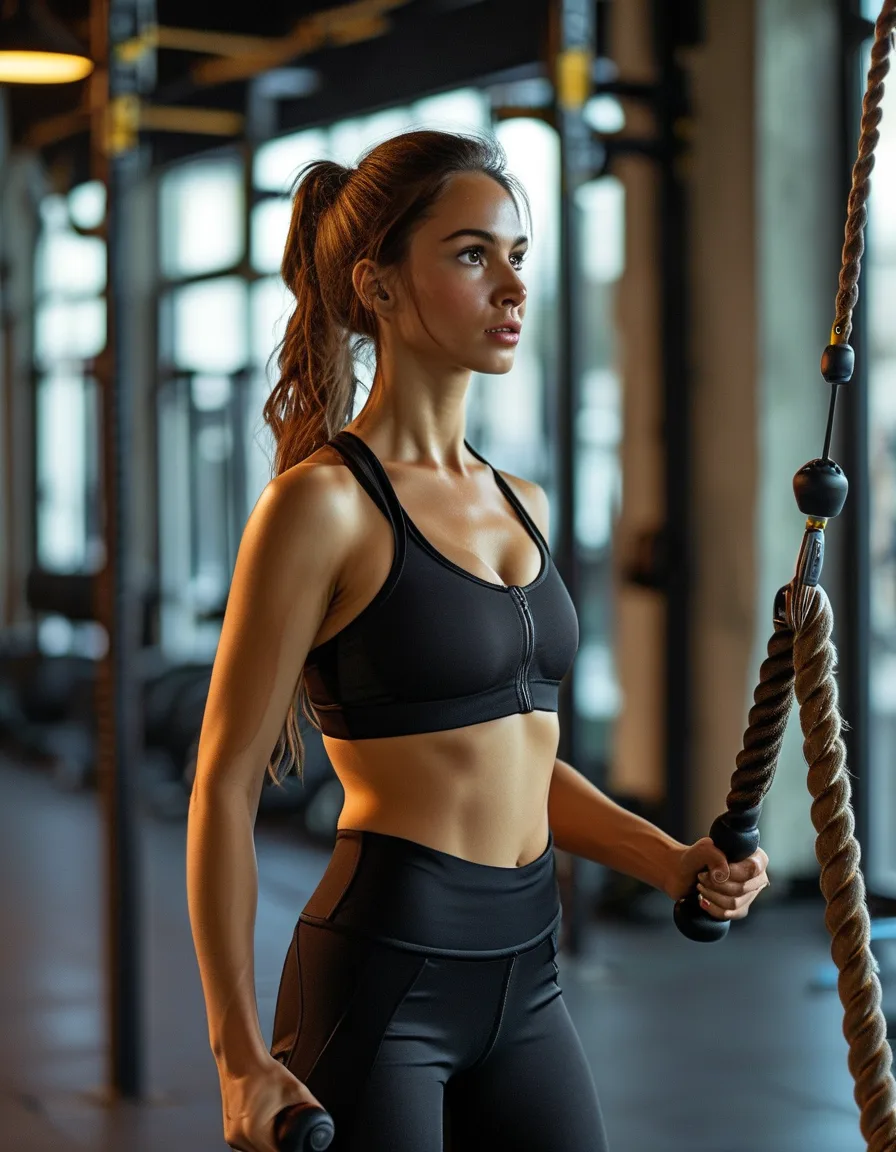
Free weights require stabilizer muscle engagement and coordination that machines largely remove, since you’re controlling the weight’s path yourself rather than following a fixed track. This builds functional strength that transfers better to real-world movement and unstable, compound tasks.
They’re also the clear choice for any exercise requiring unilateral or asymmetric loading (single-arm rows, lunges) since machines are rarely designed to isolate one side effectively.
When do machines actually outperform free weights?
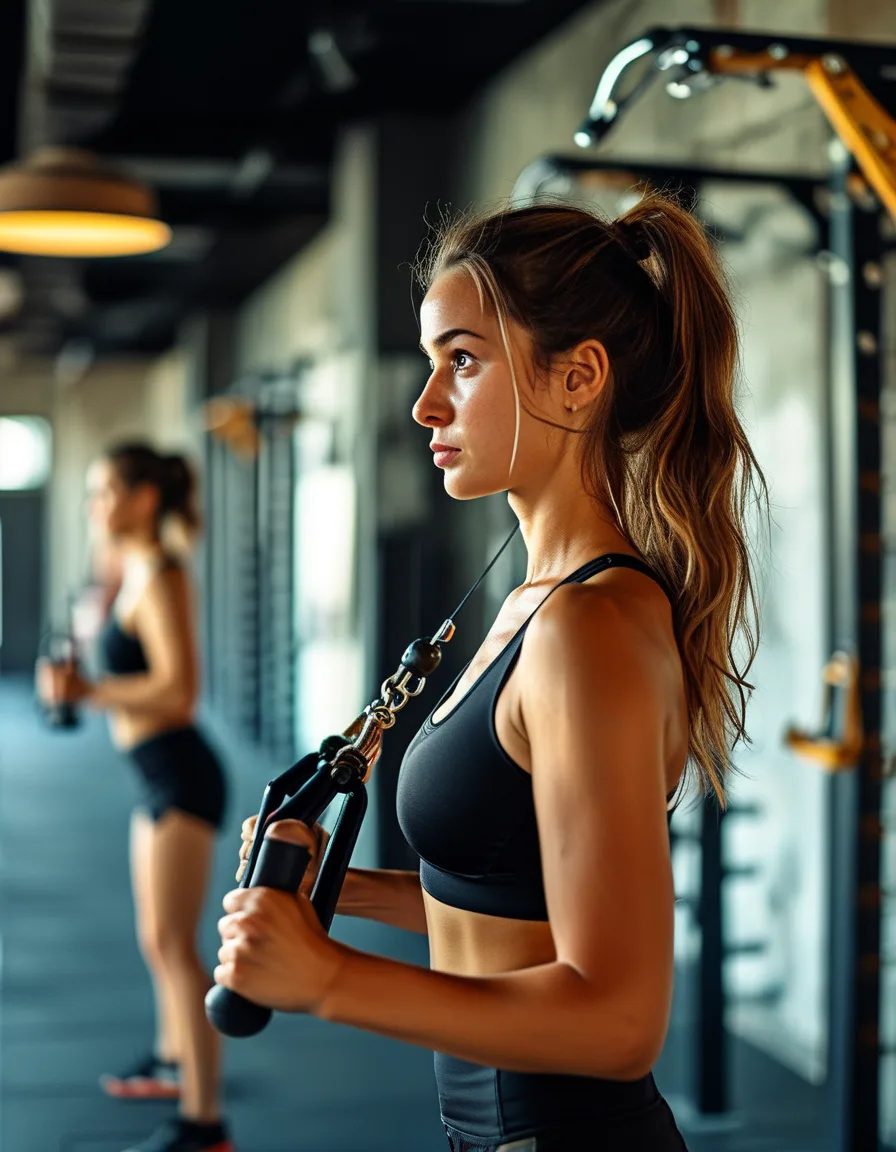
Machines shine for safely training close to muscular failure, since a fixed path removes the coordination demand that would otherwise limit how hard you can safely push a set — this makes them genuinely useful for hypertrophy-focused training near the end of a workout when stabilizer fatigue would compromise free-weight form.
They’re also often the better choice for beginners still building base strength and body awareness, and for training around a specific injury, since many machines allow isolating a muscle group while controlling range of motion precisely.
Myth vs Fact: Machines and Free Weights
Myth: Machines don’t build real strength. Fact: Machines build genuine strength in the muscles they target — the difference is in stabilizer and coordination demand, not in whether the strength gained is ‘real.’
Myth: Free weights are always safer because they’re ‘natural.’ Fact: Free weights carry a higher injury risk from form breakdown under fatigue, particularly for beginners or when training alone without a spotter — machines often reduce this specific risk.
Myth: You should pick one and ignore the other entirely. Fact: Most well-designed programs use both — free weights for compound, functional strength and machines for safe isolation and near-failure hypertrophy work.
How should someone actually decide which to use for a given exercise?
Ask: is the goal functional strength and coordination, or targeted muscle fatigue with minimal injury risk? Compound lower-body and pulling movements often favor free weights; isolation work (leg extensions, chest press machines for accessory volume) often favors machines, especially later in a workout when form control matters more.
For beginners specifically, starting with machines to build base strength and confidence before progressing to free-weight versions of similar movements is a well-supported, common approach — not a lesser one.
FAQ: Machines vs Free Weights Questions, Answered
Are machines a waste of time for experienced lifters?
No — many experienced lifters use machines strategically for isolation work and safer near-failure training, particularly later in a session.
Should beginners start exclusively with machines?
Not exclusively, but leaning on machines while building foundational strength and body awareness is a reasonable, well-supported starting approach before adding more free-weight compound work.
Which builds more calorie burn per session?
Free weights, particularly compound movements, tend to demand more total-body coordination and often burn slightly more per session, though the difference is usually secondary to total volume and intensity.
TL;DR:
- Free weights build more functional stability and coordination through unassisted balancing
- Machines allow safer isolation and training closer to failure with lower injury risk
- Neither is universally superior — the right choice depends on the specific goal and training phase
- Most effective programs use both rather than picking one exclusively
The ‘machines are lesser’ framing misses the point — the real question is what a specific exercise is actually for.
Keep Reading
This article is for general informational and styling purposes only. Fit, sizing, and product availability may vary.